Supporting agricultural SMEs: impacting farmers and rural workers
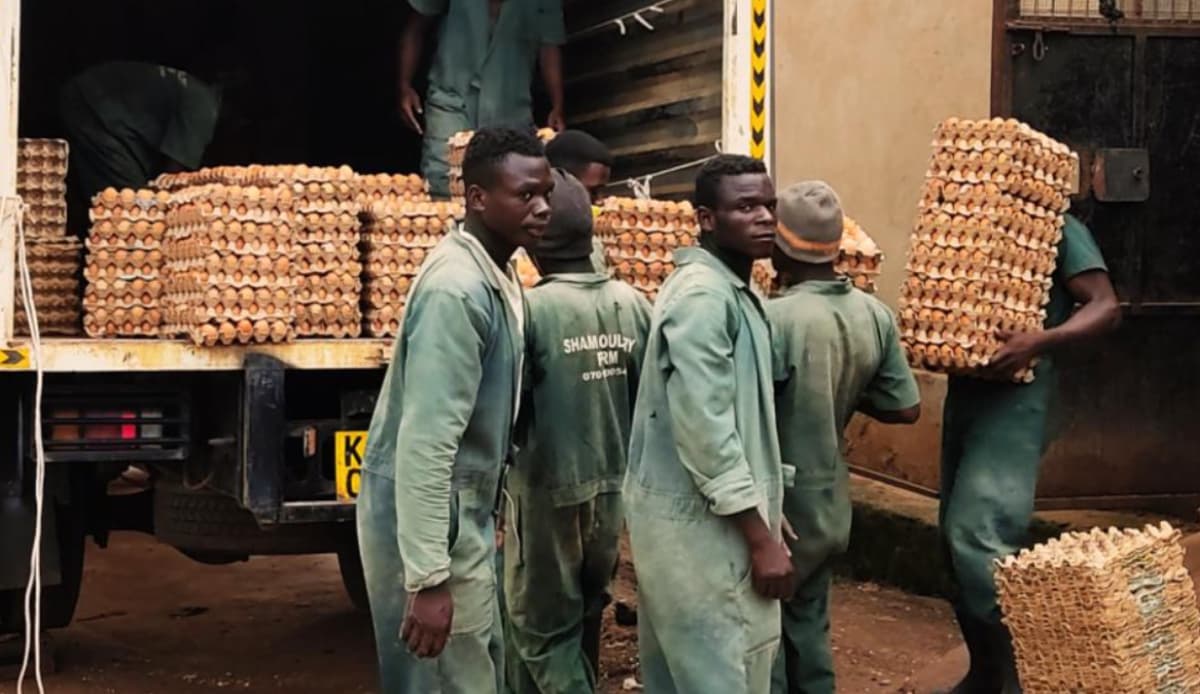
Agricultural SMEs play a vital but often overlooked role in Africa’s food systems, connecting farmers to inputs, transport, processing, and markets. Yet many operate with thin margins, face climate shocks, and lack access to formal finance, as lenders often consider them too risky or costly to serve.
Aceli Africa aims to close this gap by offering financial incentives to lenders that make agricultural lending more viable, alongside technical assistance that helps SMEs use capital effectively.
60 Decibels partnered with Aceli to assess whether this approach expands access to reliable finance and strengthens outcomes for SMEs, farmers, and workers. We spoke with 656 SME leaders, 6,154 farmers, and 229 employees across East Africa to understand what changes when SMEs finally receive financing designed for their realities.
Here’s what we learned:
-
Additionality: A First Encounter With A Sizeable Loan
For many SMEs, the Aceli-enabled loan was their first real access to growth-oriented capital. Sixty one percent were accessing a loan above $25,000 for the first time. More than a third had never borrowed from a financial institution at all. Younger firms – often the least established and therefore the most overlooked – were particularly likely to be new borrowers.
This shift doesn’t close the financing gap, but it expands which SMEs become visible to lenders.
![]()
-
When Capital Arrives, SMEs Grow
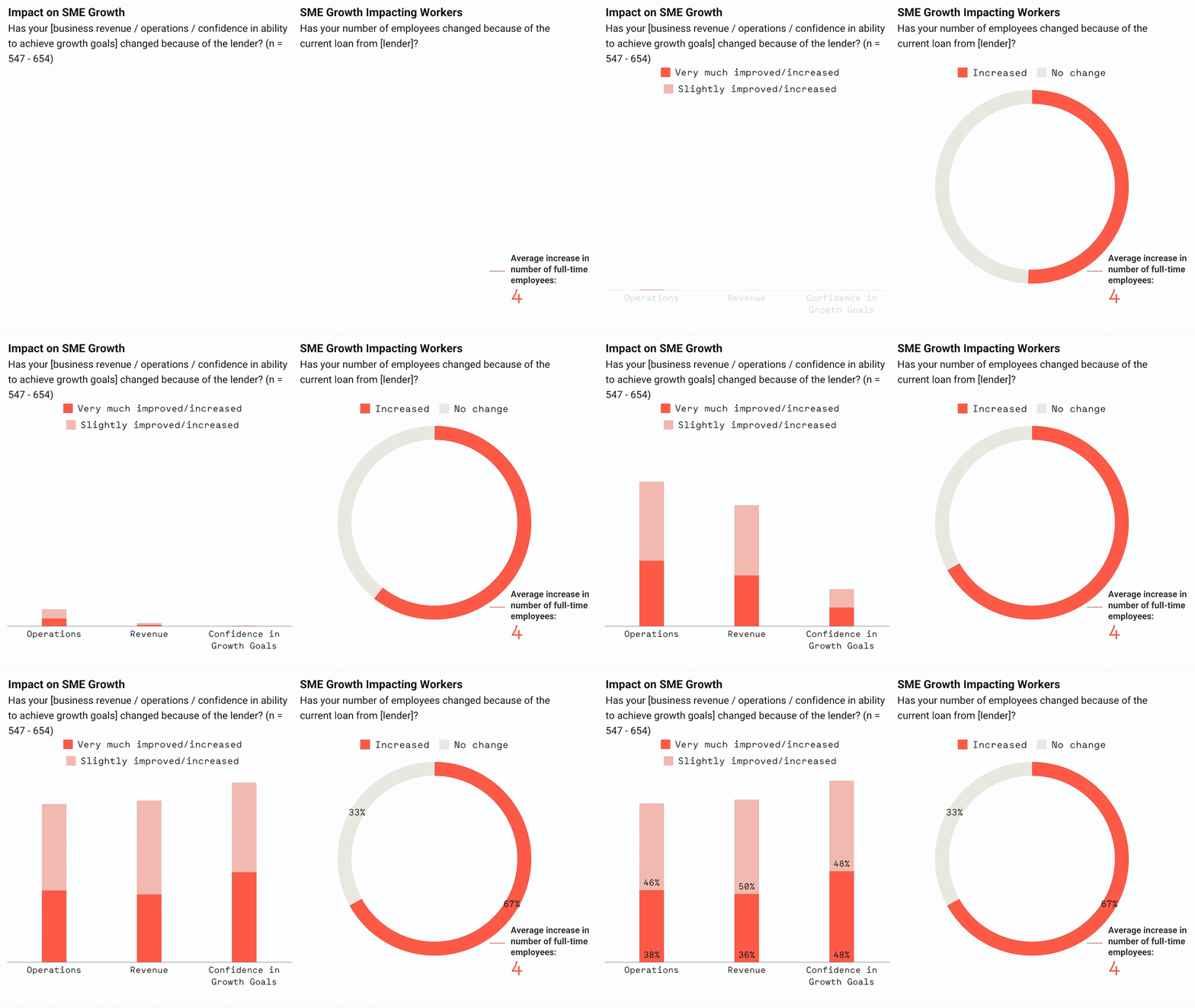
Most SMEs spoke of growth and improvements because of Aceli-incentivized loans, with nearly 90% reporting progress in revenue, operations, or confidence in future growth. Many made investments in equipment or capacity, and two-thirds hired new employees.
Results varied, but the pattern was consistent: when SMEs receive well-designed capital, they are better able to invest, expand, and strengthen their businesses.
![]()
-
Farmers Feel the Effects Quickly
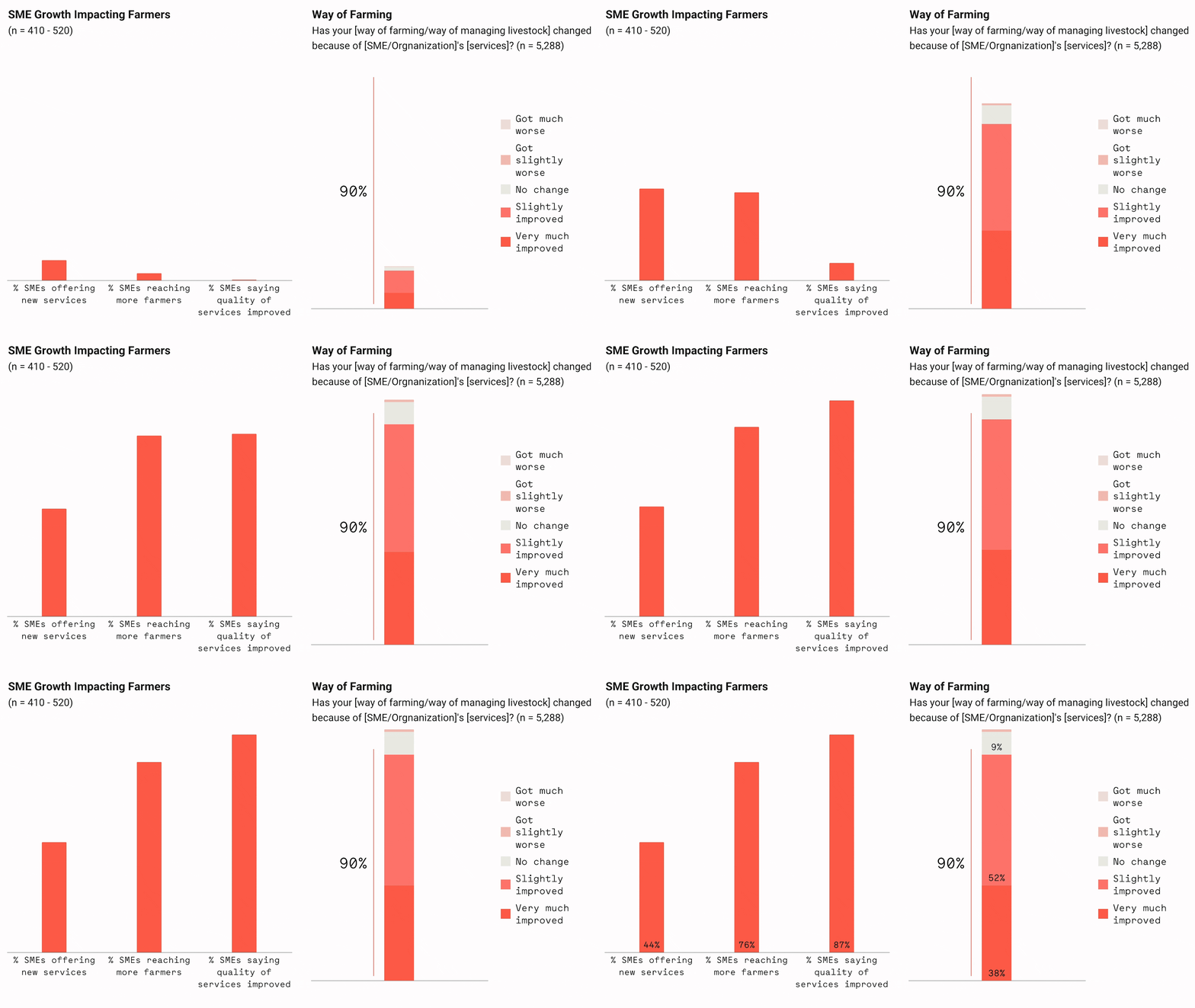
Changes at the SME level are translating into changes for the farmers they serve. Over three-quarters of SMEs reported serving more farmers and offering new services. Farmers confirmed this: nine in ten saw improvements in their farming practices.
These gains don’t solve deeper structural challenges but do strengthen everyday access and reliability for farmers with few alternatives.
![]()
-
Mixed Borrowing Experience
SMEs reported mixed experiences with their lenders, reflected in Net Promoter Scores ranging from –12 to +65. Processing time was the biggest driver of satisfaction: loans disbursed within a month were viewed far more positively than those delayed for several months. In agriculture, timing isn’t administrative – it determines whether financing matches production cycles, input needs, and cash flows.
![]()
-
Why Advisory Support Matters
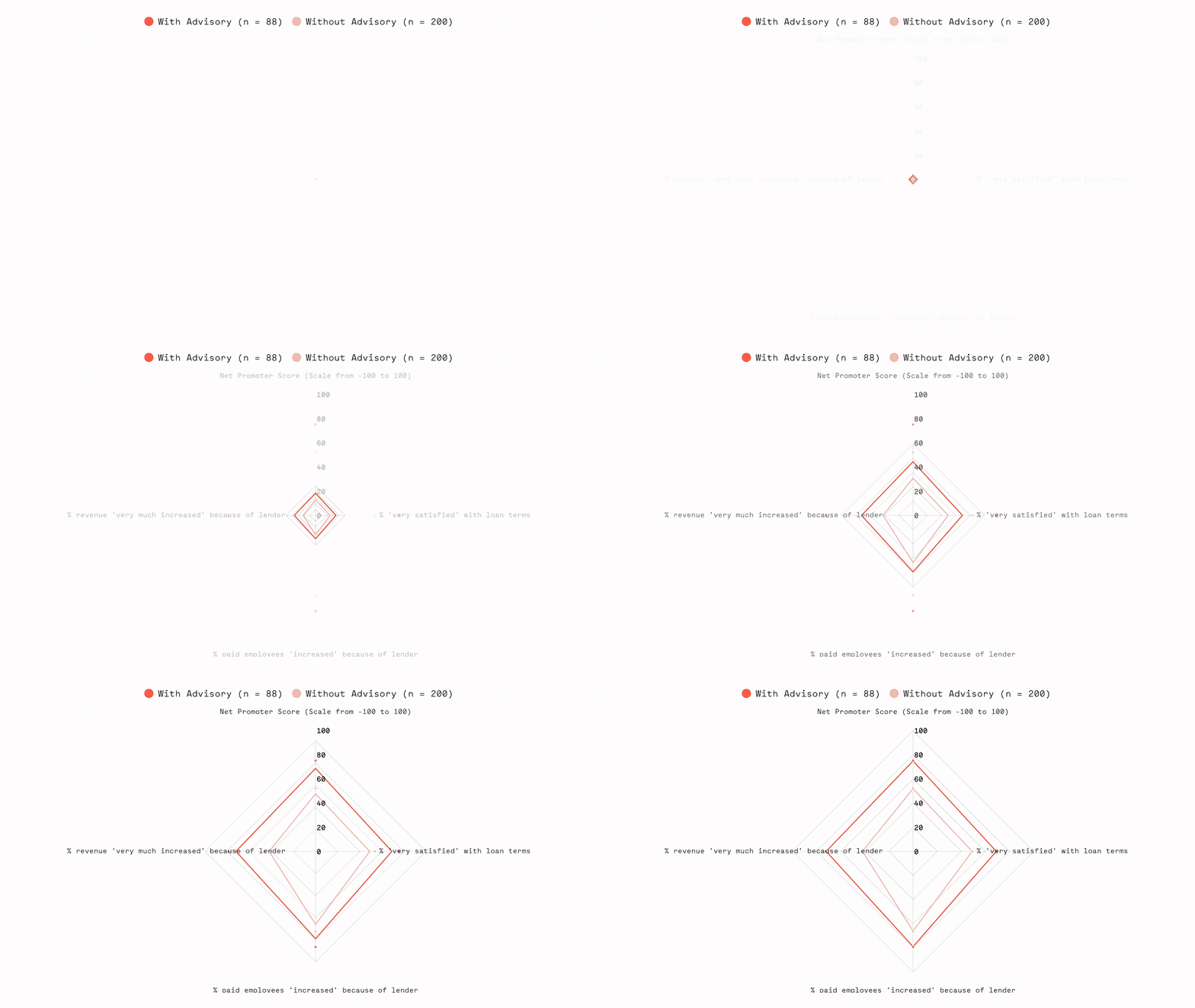
A subset of SMEs received post-investment advisory support from their lenders, and the differences stood out. These SMEs reported higher satisfaction (NPS 75, compared with 52 among those without advisory), stronger revenue improvements, and were more likely to have increased their workforce. The intention is not to overstate advisory as a cure-all, but the contrast suggests that pairing capital with basic business support can materially improve how SMEs use and experience their financing.
![]()


A More Realistic View of What Finance Can (and Cannot) Do
Listening to SMEs, farmers, and workers in Aceli Africa’s portfolio over four years indicates that well-structured finance can help agricultural enterprises grow, deepen their reach, and strengthen their contribution to rural economies. But loans alone do not change market structures; they do not eliminate climate risk; they do not resolve decades of underinvestment in agriculture. Where finance succeeds, it tends to do so alongside other factors: advisory support, trust between borrower and lender, and operational and regulatory conditions that allow SMEs to use the capital effectively.
Perhaps the most important lesson from listening at this scale is that agricultural finance is not simply a technical exercise. It is a human one – shaped by timing, relationships, context, and the constraints under which everyone in the system operates.
Aceli’s model has begun to shift how lenders engage with agricultural SMEs, but the sector is still early in its evolution. Continued listening – and a willingness to adapt financing to the realities SMEs describe – will be essential if this progress is to deepen.
For now, the voices of SME leaders, farmers, and workers offer a grounded view of what is changing, what remains fragile, and where attention is most needed. Their experiences suggest that while finance is not a silver bullet, it is a critical part of the story – especially when paired with the patience, flexibility, and understanding that agriculture demands.